
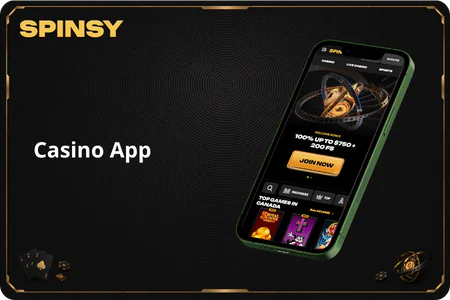
For Canadian readers checking a spinsy casino canada account from a phone or tablet, the most practical approach is to treat the service as a mobile website rather than search for a dedicated app. The browser version is designed to handle the lobby, account area, cashier, promotions and support, although the exact options shown can depend on location, account status and the current site version. A few simple checks can make signing in easier while also reducing avoidable security, compatibility and verification problems.
What the mobile version is designed to handle
The mobile site uses a responsive layout that adapts to smaller screens on iPhone, iPad and Android devices. Instead of installing separate software, users open the website in a browser and work with the same broad account areas available on the web platform. The lobby, search tools, game categories, account details, cashier, promotions and live chat are all described as accessible through the mobile browser.
Screen size can change how controls are arranged. Search, provider filters and category navigation may be placed behind menus or require a short scroll, while account and support controls may appear in a compact header. A stable connection helps when moving between pages, particularly when loading live content or opening verification instructions. If a page looks incomplete, refreshing it or switching between Wi-Fi and mobile data may identify a temporary connection problem.
Mobile browsing is useful for checking account information without committing to a separate installation. It also means that browser permissions, saved passwords and device security matter more than they would on a shared desktop. Keep the operating system and browser updated, use a private device where possible, and avoid signing in through links received unexpectedly by message or email. These habits protect the account without assuming that every mobile feature is available in every region.
How to approach a mobile login without confusion
Returning users normally sign in with the email address registered to the account and its password. Before entering details, check that the address in the browser is correct and that the connection is secure. A familiar bookmark can help avoid mistyped addresses, but it should be created only after independently confirming the official website address. Do not rely on a search advert or an unfamiliar shortened link for account access.
If the password is rejected, avoid repeatedly guessing it. The described recovery route uses a “Forgot Password” option and sends reset instructions to the registered email address. Check spam or junk folders if the message does not appear promptly, and make sure the email account itself is accessible. A password manager can reduce typing errors, provided the phone is protected by a strong passcode or biometric lock.
Some current materials mention optional two-factor authentication, but this should be treated as dependent on the current site version rather than guaranteed. If an account becomes locked, recovery does not work, or a security check interrupts access, live chat or email support may be appropriate. Support may ask questions about the account or identity, so provide information only through the established support channel and never disclose a password or one-time security code.
When a home-screen shortcut makes sense

The mobile platform can be added to a device’s home screen so it opens in an app-like manner. On iOS, Safari generally provides an “Add to Home Screen” command through its share menu. On Android, Chrome may show “Install app” or “Add to Home screen,” depending on the browser version and how the website is configured. The wording and availability of these commands can change after an operating-system update.
This shortcut is convenient because it reduces repeated address entry and places the website alongside other frequently used services. It does not prove that a native application has been installed. Current materials do not show a standard native version in the Apple App Store or Google Play, so users should be cautious about unofficial downloads that imitate the mobile site. An app file from an unknown source can expose login details or device data.
After creating a shortcut, open it occasionally and confirm that it still leads to the expected website. A shortcut can become outdated if the address changes, and a browser may clear site data after privacy settings are adjusted. Removing the shortcut does not necessarily close an account or delete stored information. For practical security advice about suspicious software, passwords and online accounts, consult the Canadian Centre for Cyber Security’s online security guidance.
What can affect the mobile experience
A responsive design does not guarantee identical performance on every device. Older phones may struggle with animation-heavy pages, multiple open tabs or live content, while aggressive battery-saving settings can interrupt background activity. A current browser, enough available storage and a reliable connection usually provide a smoother experience. Clearing a site’s cached data can help with display errors, but it may also remove saved preferences or sign-in information.
Location and account status can affect what appears after login. Game availability, payment methods, promotions and account controls may differ according to jurisdiction and the current site version. Canadian-facing materials list CAD for some accounts, but users should not assume that every method, offer or feature will be available to them. The logged-in account area and the operator’s current terms are the appropriate places to check account-specific details.
Verification can also interrupt an otherwise routine mobile session. Registration information should match identity documents, and checks may involve government-issued photo identification, proof of address, a selfie or payment-method confirmation. Photographing documents on a phone is convenient, but use a private connection and confirm where files are being uploaded. If a request seems unusual, ask support to explain it before sending sensitive information through an unverified channel.
Simple checks before and after signing in
Before opening an account session on a phone, check the battery, connection and browser address. Avoid public computers and be cautious with shared Wi-Fi, particularly when entering account or payment information. Disable automatic password saving on devices used by other people. A screen lock, current operating system and separate email password create useful layers of protection if the handset is lost.
Once signed in, review the profile details and confirm that the email address and personal information are accurate. One personal account and consistent registration details can make later verification easier. If a phone number, address or payment source has changed, follow the stated account process rather than opening another account. Keep records of support conversations and read the active terms when an account action involves a promotion or withdrawal.
When finished, sign out on shared devices and close the browser tab. If the device is personal, a shortcut may be convenient, but it should not replace regular checks of account activity, transaction history and security settings. Mobile access is best viewed as a flexible browsing method, not a guarantee of uninterrupted access or identical features. Where a control is missing, contact support and ask what applies to the specific account and location.
Mobile browsing questions readers often ask
Is a native mobile app required for access?
No. The available materials describe a responsive mobile website that works through common iPhone, iPad and Android browsers. A home-screen shortcut can provide an app-like entry point, but it remains the web platform. Avoid downloading unofficial app files unless their authenticity and source can be independently confirmed.
What should I do if the password reset email does not arrive?
Check that the registered email address was entered correctly, then review spam and junk folders. Wait before submitting repeated requests, as multiple resets can cause confusion. If recovery still fails, contact live chat or email support through the established website and be ready to complete account-security checks.
Can mobile access change what I see in the account?
It can. Location, account status, browser behaviour and the current website version may affect games, promotions, payment options and security controls. The mobile layout may also hide tools behind menus. Check the signed-in account area and current terms rather than assuming that a feature shown elsewhere applies to your device.