
When you settle in for an evening spin, the gap between the real wheel and your screen matters more than most ads admit. As someone who has spent years reviewing operator setups for live dealer floors, I know a clean feed can make a session feel fair, while a laggy broadcast turns simple bets into guesswork. If you are chasing a quick arvo session, understanding the stream delay is the first honest step.
How the delay shows up on your screen
Live dealer broadcasts are not magic; they travel through encoders, CDNs and your home broadband before the ball lands on your device. In Wollongong, where fibre is solid but evening congestion can still bite, a three to five second gap is common and usually manageable. Push it past eight seconds and you start guessing at the croupier’s rhythm rather than reading it. I have watched operators trim latency by switching to lower-bitrate streams during peak hours, and the difference is plain when you compare two tables side by side. If you want to test a lighter load without risking real money, a demo like https://big-bass-splash-demo-au.com/ gives you a feel for how a responsive interface behaves before you commit to a live table. The point is not to chase zero lag – that is unrealistic – but to pick a feed where the delay is consistent and visible, so your timing matches what the wheel actually does.
What to weigh before you commit
Treat the delay like any other table condition. Ask whether the broadcast shows the wheel and the drop in one clean shot, or whether the camera cuts away and you are left watching a replay of a result you already saw on a tracker. I have sat through enough sessions to know that a stable six-second feed with a clear camera angle beats a flashy two-second stream that jumps frames every third spin. Check whether the operator publishes a rough latency note, and if they do not, assume the worst during busy evenings. A practical rule I use is to watch ten spins before placing a single bet; if the result on screen lines up with the announced outcome without a weird lag spike, you have a workable setup. If it feels off, move on rather than hoping the next hour improves.

Where the ongoing value actually sits
A welcome offer gets you in the door, but the real test is what keeps you returning once the bonus terms settle. Look for recurring promos that do not demand impossible wagering, cashback that credits on a sensible schedule, and a loyalty tier that actually rewards repeat play instead of just handing out cosmetic badges. Tournaments can be worth your time if the entry is fair and the leaderboard updates without a long delay, because a laggy results feed ruins the whole point of competing. I have reviewed enough loyalty programmes to spot the difference between a genuine points system and one that inflates numbers while hiding the real redemption thresholds. If the operator supports local payment methods and settles in Australian dollars without sneaky conversion markups, that is a solid sign the rest of the floor is built with regular players in mind. The delay on the stream matters here too: a tournament that posts results late feels broken, even when the maths is fine.
How the experts frame the risk
I have learned to treat stream delay as a player-protection issue, not just a technical footnote. Daniel Clarke, Compliance Director at Federation Betting Insights, has argued that operators should be transparent about broadcast latency because big-bass-floats-my-boat.com players who misread timing can chase losses they would otherwise avoid. Amelia Wright, Head of Operator Partnerships at the Pacific Player Protection Institute, has cautioned that a clean feed does not fix poor limit settings, and that responsible play still comes down to clear tools and honest session tracking. On the commercial side, Ella McKenzie, Affiliate Partnerships Director at Daintree Digital Ventures, has noted that affiliates who hype low latency without checking the actual table conditions end up sending players into feeds that feel unreliable after the first busy evening. None of those views promise a perfect experience; they just point to the fact that a delay you understand is easier to manage than one you do not.
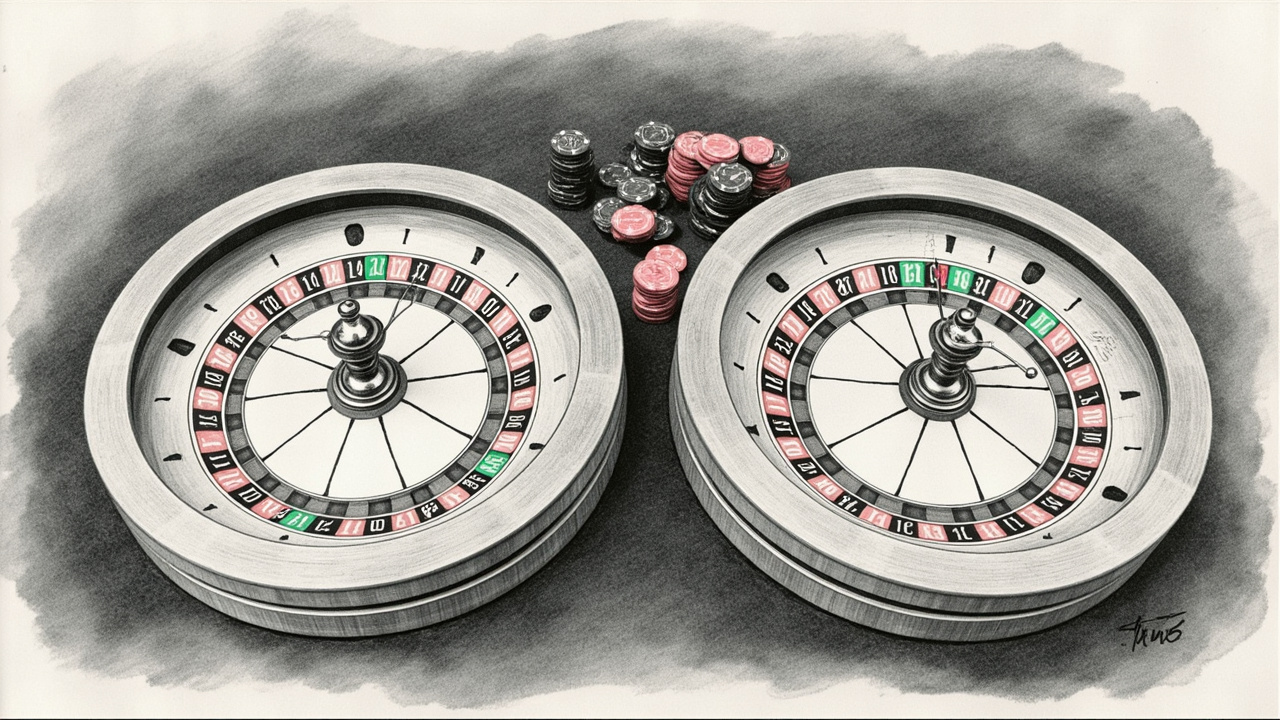
A fair live roulette session comes down to a few honest checks: a consistent delay, a camera that shows the wheel clearly, and an operator that does not hide behind slick marketing once the welcome offer fades. Pick a feed you can read, set your own limits, and treat the broadcast as what it is – a live event with a small, visible gap between the wheel and your screen.