
Factory New Ammo: Precision, Reliability, and Performance Straight From the Box
A shooter fresh from the range checks his spent casings, noting that each factory new round fired with consistent velocity and zero malfunctions. Factory new ammo is ammunition manufactured to strict tolerances using virgin brass, fresh propellant, and new primers, ensuring uniform pressure and reliable ignition. Its sealed primers and crimped projectiles resist moisture and handling damage, delivering out-of-the-box accuracy for hunting, competition, or defensive use without handloading effort. To use it effectively, simply inspect the cartridge for physical damage, load it according to the firearm’s manual, and store it in a cool, dry environment until needed.
What Exactly Makes Ammunition “Factory New” and Why It Matters
Factory new ammunition means cartridges assembled from freshly manufactured components—new brass cases, virgin primers, unused propellant, and newly drawn bullets—that have never been loaded, fired, or resized. Unlike remanufactured or reloaded rounds, factory new ammo undergoes strict quality control for consistent case dimensions, uniform powder charges, and correct seating depth, ensuring reliable chambering and ignition across a batch. This matters because virgin brass has not been work-hardened or stretched by prior firing, so it retains optimal elasticity for gas sealing and extraction. For defensive or precision use, this consistency translates to predictable pressure curves, tighter shot groups, and fewer malfunctions. Knowing a round is truly factory new guarantees you are getting the designed ballistics, not salvaged components with unknown fatigue, which is essential when performance and safety cannot be compromised.
The Core Difference Between Fresh Production and Remanufactured Rounds
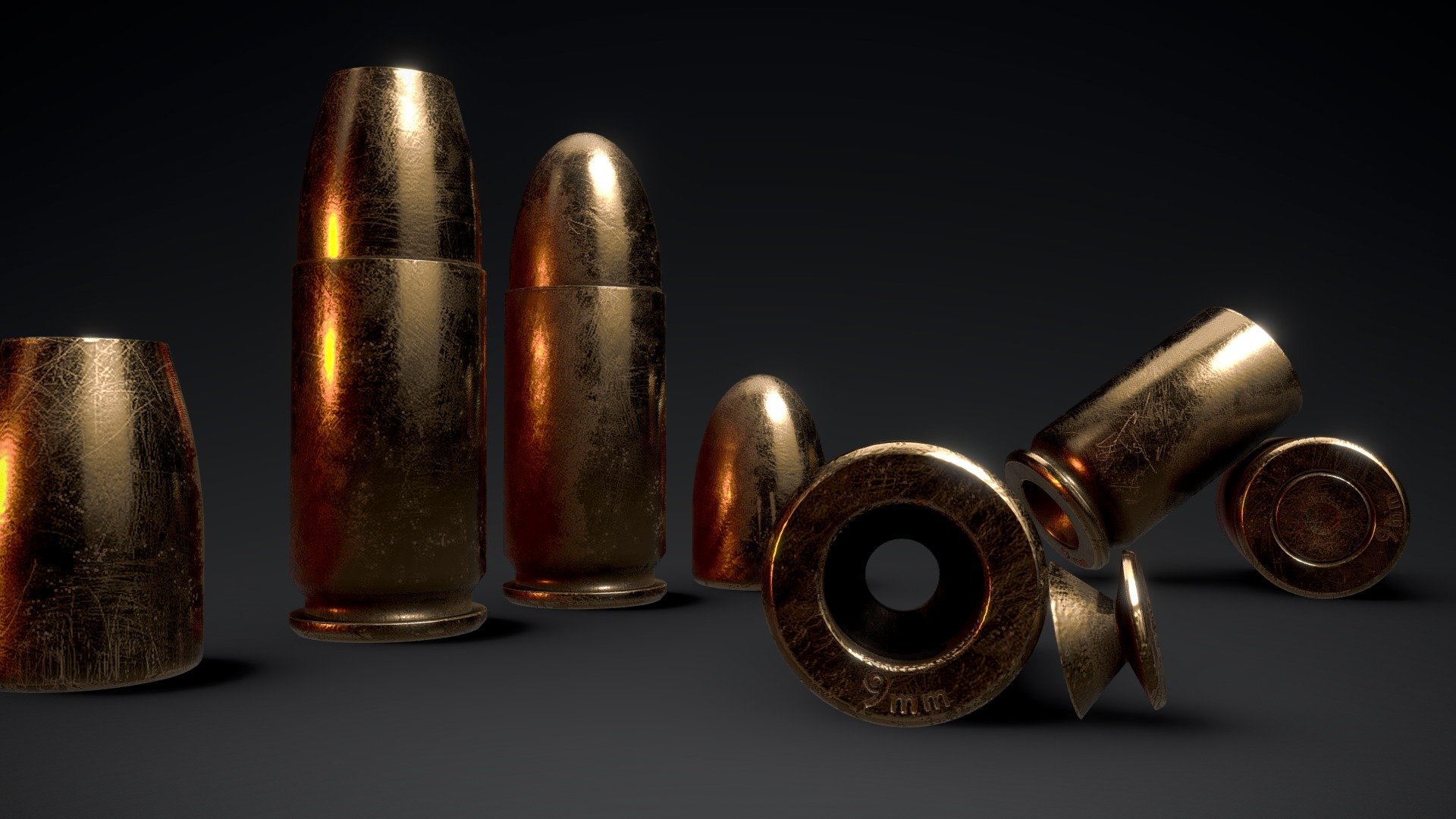
Fresh production and remanufactured rounds diverge at the component level. Factory-new ammunition uses virgin brass, new primers, fresh propellant, and untouched bullets, ensuring consistent internal ballistics and case tension. Remanufactured rounds rely on fired, resized cases that have already undergone pressure cycling, which can alter case wall thickness and primer pocket depth. This makes fresh production the only truly uniform ammunition, as every case starts from identical dimensions. Remanufactured rounds, while functional, carry inherent variability from unknown prior firing conditions, risking inconsistent headspace or weakened case necks. For precision or defensive use, fresh production eliminates variables that remanufacturing cannot fully correct.

- Fresh brass has uniform hardness; remanufactured cases have work-hardened zones from first firing.
- New primers sit in virgin pockets; reused cases may have enlarged pockets, 9mm Ammo for Sale causing blowback or misfires.
- Fresh propellant burns predictably; remanufactured loads may vary due to powder weighing or blend differences.
How Factory Sealing and Fresh Primers Affect Your First Shot
That first trigger press hinges on the integrity of the factory seal. A tight case mouth and sealed primer pocket lock out moisture and oils, which are the silent killers of 9×18 Makarov Ammo for Sale ignition reliability. Because the primer compound is fresh and unstressed, its chemical makeup is at peak volatility, ensuring the firing pin strike produces a hot, consistent flash that ignites the powder instantly. This synergy eliminates the dreaded hang-fire or click-no-bang, granting you confident ignition from the very first round. You get a crisp, predictable recoil impulse and a clean muzzle report, allowing you to trust your zero and focus entirely on your sight picture instead of questioning the ammunition.
Factory sealing protects the primer, and that fresh, volatile compound guarantees an immediate, powerful ignition, turning your first shot into a predictable, clean strike instead of a gamble.
Why Consistent Case Dimensions Are a Hallmark of New Ammo
Consistent case dimensions are a hallmark of factory new ammo because each unfired case is formed to exact headspace, rim thickness, and shoulder-angle tolerances from virgin brass. This uniformity ensures reliable chambering and extraction across mixed firearm batches, eliminating the bolt-override or stuck-case failures common with once-fired, resized brass. A precise case length prevents excessive throat erosion, while consistent wall concentricity promotes even pressure distribution during ignition. *Even slight dimensional variance—just 0.002 inches—can alter bullet pull force and affect velocity spread.* For reloaders, new cases offer a known starting point for load development, since every case shares the same internal volume and neck tension. This repeatability makes diagnosis of pressure signs straightforward, as any deviation stems from the load, not case geometry.
Key Performance Benefits You Get From Shooting Freshly Manufactured Rounds
Shooting freshly manufactured rounds delivers uncompromising ballistic consistency that aged or remanufactured ammunition simply cannot match. Factory-new ammo ensures uniform powder charges, precise bullet seating, and pristine primers, which translate directly into tighter shot groups and predictable point-of-impact round after round. You eliminate the variability caused by moisture absorption, propellant degradation, or corroded cases that plague stored surplus. This reliability is critical for zeroing optics, validating defensive loads, or chasing competition scores, because every shot behaves exactly as the manufacturer intended. Furthermore, fresh factory rounds produce optimal chamber pressure 6mm Remington Ammo for Sale and velocity, reducing the risk of squib loads or pressure spikes that can damage your firearm or disrupt your training flow.
When your life or score depends on the next shot, factory-new ammo turns unknown variables into a mechanical certainty.
You gain absolute confidence in feeding, extraction, and ignition from the first round to the last, making every trigger pull a measurable performance upgrade over anything sitting on a shelf.
How Uniform Powder Charges Lead to Tighter Groups Downrange
When you shoot factory new ammo, each round’s powder charge is metered to a precise weight, eliminating the velocity swings that plague hand-loaded or bulk batches. That uniformity means every bullet exits the muzzle at nearly the same speed, so vertical stringing—the bane of long-range accuracy—virtually disappears. A consistent charge also stabilizes barrel harmonics shot after shot, letting the rifle settle into a repeatable vibration pattern. Downrange, that translates to predictable trajectories and overlapping impact points, turning frustrating fliers into tight, circular groups you can actually measure and trust. Even a tiny variance of a few grains can shift impact inches at distance, but uniform charges lock your point of aim to point of impact.
Why New Brass Offers Better Case Life and Reloading Potential
Starting with factory-new brass fundamentally resets the headspace and primer pocket dimensions, which are the true anchors of reloading potential. Fired cases stretch and thin; new brass gives you the maximum wall thickness for multiple resizing cycles before work-hardening forces retirement. You avoid the unknown annealing history and hidden stress fractures of once-fired or range-pickup brass. This virgin material expands uniformly the first firing, ensuring a perfect, gas-tight seal that reduces carbon fouling in the chamber. Consequently, you can comfortably push higher pressure loads or simply enjoy longer case life. Each subsequent reload after the initial fire-forming is often more consistent than commercial remanufactured ammunition. The primer pocket stays tight longer, preventing high-pressure blowback, and the neck holds bullet tension reliably through several reloads before you ever need to trim.
How Clean-Burning Propellants Keep Your Firearm Running Reliably
Freshly manufactured rounds use clean-burning propellants that minimize carbon fouling and residue buildup in the gas system, bolt carrier group, and chamber. Because these powders are formulated for complete combustion, they leave fewer hard deposits that can slow cycling speeds or cause friction-related malfunctions like failure to feed or eject. This chemical consistency ensures the action moves with predictable resistance, preserving reliable function even during rapid fire or suppressed operation. Over time, this reduced fouling also prevents the subtle buildup that shifts point-of-impact as residue accumulates unevenly. Additionally, lower particulate matter means you can run longer between cleaning sessions without risking sticky bolts or light primer strikes, directly translating to dependable performance when it matters most.
How to Choose the Right Fresh Ammunition for Your Specific Firearm
Selecting factory new ammo begins with verifying your firearm’s stamped caliber and matching it to the box’s exact cartridge designation. Next, consult your owner’s manual for recommended bullet weight and velocity, as factory loads are tuned to specific barrel twists and action types. For semi-automatics, choose fresh ammunition with proven pressure curves—like standard-pressure rounds—to ensure reliable cycling without excessive wear. Always inspect the factory seal and casing for pristine condition, rejecting any loose primers or dents. Cross-reference your firearm’s chamber dimensions with SAAMI specifications, since even factory rounds vary slightly in overall length. Finally, buy a small test box from a reputable brand and run a function check before bulk purchasing. Matching factory new ammunition to your gun’s documented preferences maximizes accuracy, longevity, and safe operation.
Matching Bullet Weight and Profile to Your Barrel Twist Rate
Your barrel’s twist rate—the distance it takes for one full rifling rotation—dictates which bullet weights and 9.3x72R Ammo for Sale profiles will stabilize properly. A slower twist (like 1:12) favors lighter, shorter bullets, while a faster twist (like 1:7) handles long, heavy projectiles. When buying **factory new ammo for barrel twist rate compatibility**, always check the box for bullet length, not just grain weight. A heavy bullet with a sleek, boat-tail profile can fail to stabilize in a slow twist, causing keyholing. Conversely, a light bullet spun too fast can over-stabilize and fragment on impact, hurting accuracy. Match your ammo to the twist you actually have, not the caliber’s “average” load.
Q: How do I know if my rifle’s twist rate matches a specific factory bullet profile? 7mm Rem Ultra Mag Ammo for Sale
A: Check your barrel’s twist (usually stamped on the barrel or in the manual), then look up the Ammunition for Sale bullet’s length. For a 1:10 twist, a 168-grain flat-base works great, but a 175-grain VLD needs a 1:8 or faster. Test a few boxes—grouping tells you the truth.
Full Metal Jacket vs. Hollow Points: Purpose-Driven Selection
When selecting factory new ammunition, the choice between full metal jacket (FMJ) and hollow points hinges entirely on your intended application. FMJ rounds feature a solid metal envelope over a lead core, promoting reliable feeding and deep penetration, making them ideal for target practice and competitive shooting where barrier defeat is secondary. Conversely, hollow points are engineered to expand upon impact, transferring energy rapidly and reducing over-penetration risks, which is why they are the standard for personal defense and law enforcement duty loads. The nuance lies in that FMJ’s feed reliability in finicky firearms does not guarantee terminal performance, while a hollow point’s expansion can be compromised by clothing or barriers. Always verify your firearm’s barrel specialty sports and supply twist and chamber specs against the bullet’s profile, as purpose-driven selection between FMJ and hollow points directly dictates your training efficacy and defensive readiness.
Understanding Velocity Ratings and How They Affect Point of Impact
Velocity ratings on factory new ammo are more than box-top numbers; they dictate your bullet’s trajectory and, crucially, its point of impact. A faster load shoots flatter, meaning your zero at 100 yards stays truer at extended ranges, while slower ammunition drops significantly. This matters because your firearm’s barrel length and twist rate directly influence actual velocity—a shorter barrel can rob 50-100 feet per second, shifting impact low. To get the most from fresh ammunition, select a rating that matches your real-world shooting distance. Remember, matching velocity to your optic’s holdover prevents frustrating misses and ensures reliable, consistent accuracy from the very first shot.
Practical Storage and Handling Tips for Preserving New Ammo Quality

To preserve factory new ammo, store boxes upright in a sealed, hard-sided container with desiccant packs, keeping the environment below 70°F and under 50% relative humidity. Never leave rounds loose in a range bag or pocket—friction and sweat degrade primers and case lacquer. Handle cartridges by the case body, not the bullet tip, to avoid seating setback or denting the casing, which can alter headspace. Rotate stock quarterly, firing oldest first, and avoid exposing new ammo to direct sunlight or vehicle trunks, as thermal cycling weakens propellant burn rates. Q: Should you wipe factory-new rounds before loading? A: No—light oil residue is protective; wiping can strip it and invite corrosion, but remove any visible debris with a dry microfiber cloth. Always inspect each round for loose bullets or cracked necks before chambering, and keep the original factory tray to prevent primer-to-bullet contact during transport.
Best Practices for Keeping Sealed Boxes Moisture-Free for Years

To keep factory-new ammo pristine for years, treat sealed boxes as a moisture barrier system—not a guarantee. First, never break the factory seal until you’re ready to shoot; that inner wrap is your best defense. Store the sealed boxes in a hard-sided, airtight 7mm Rem Mag Ammo for Sale ammo can with a fully seated rubber gasket. Next, add desiccant packs—silica gel works best—in a ratio of one large pack per 50 boxes, and replace them every six months or when the indicator color changes. Finally, place the can off concrete floors, on a wooden shelf, and always at a stable room temperature; avoid attics or garages where humidity spikes seasonally. For long-term stability, rotate your stock so older boxes are used first, but never open a box just to “check” it.
Lock in the factory seal, seal the can, dehydrate with silica, and elevate off cold floors—these are the core rituals for keeping sealed ammo boxes moisture-free for years.
Reading Lot Numbers to Ensure You Buy the Freshest Production Run
When you’re buying factory new ammo, the lot number is your direct line to the freshest production run. Printed on the box or case, this alphanumeric code identifies the exact manufacturing batch, letting you verify how recently the rounds were loaded. Checking the lot number before purchase ensures you avoid older stock that may have sat in a warehouse for months. Look for the most recent sequence—often tied to a date code within the lot—and compare it across boxes; the higher or later-coded lot is the fresher run. A fresh lot means primers and propellant are at peak stability, which translates to consistent velocity and ignition. For maximum shelf life and reliable performance, request the newest lot your retailer has on hand. Even a few months of additional storage can subtly degrade powder burn rates, so precision shooters should prioritize the latest stamp.
Reading lot numbers is the simplest, most reliable way to confirm you’re buying the freshest production run, preserving primer sensitivity, powder consistency, and overall factory-new performance.
How to Inspect New Rounds for Signs of Shipping Damage or Setback
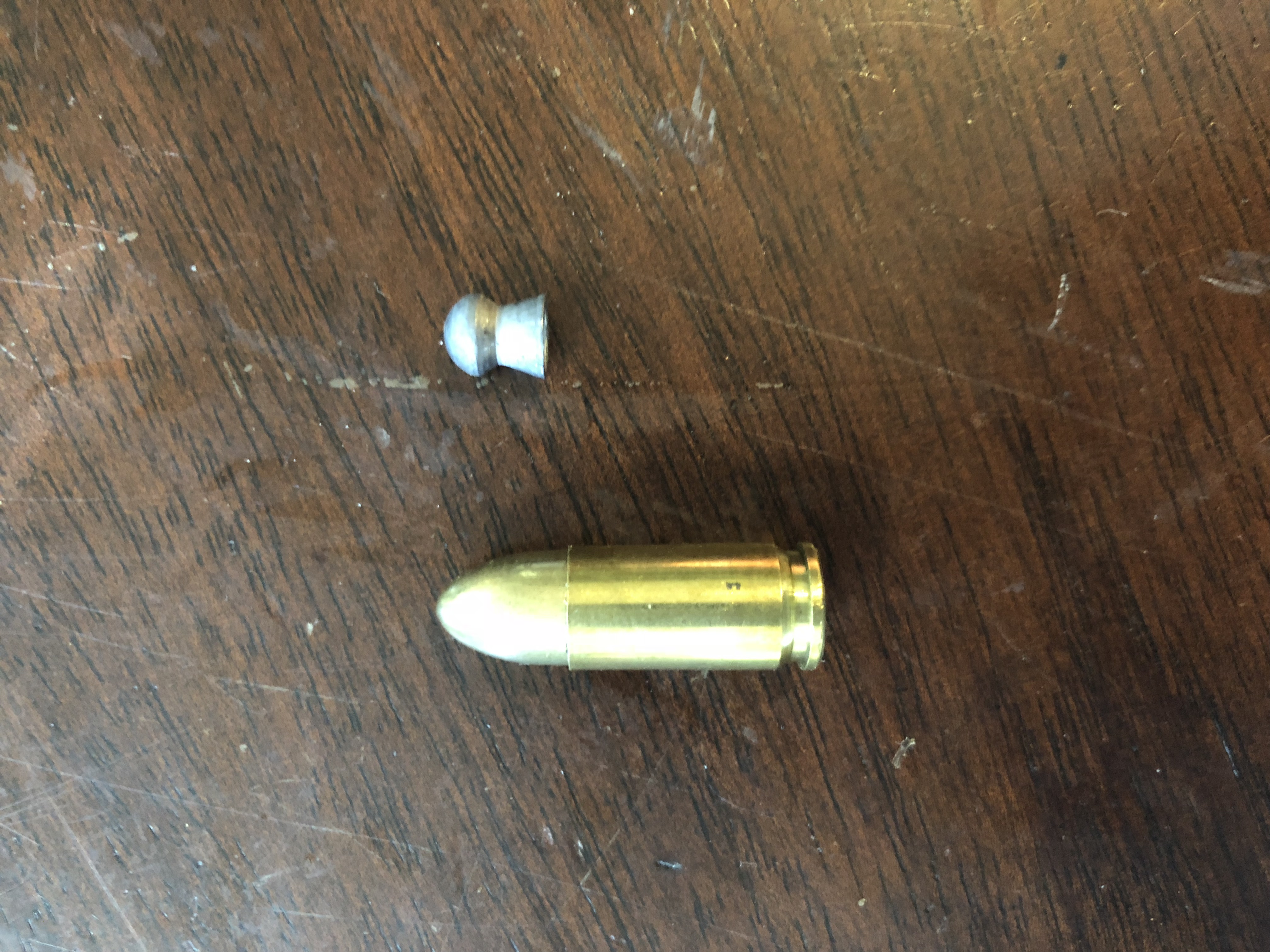
When your fresh box of factory new ammo arrives, give every round a quick once-over before you even load a magazine. Check the bullet tip and ogive for flat spots, dents, or gouges—these often mean the round took a hard knock during transit. More importantly, look at the case mouth, where the bullet meets the brass; a smooth, even crimp is good, but a visible gap or a bullet pushed 9.3x62mm Mauser Ammo for Sale slightly deeper into the case signals setback from rough handling. That compressed powder can spike pressure dangerously. Also roll each cartridge on a flat surface—a bent or warped case will wobble. Finally, inspect the primer pocket for deep scratches or a protruding primer, which can indicate a strike or impact. *If the bullet moves when you press it gently against a hard surface, set that round aside for disposal immediately—do not chamber it.*
Q: What’s the fastest way to spot setback on a new round?
A: Hold the cartridge between your thumb and forefinger, bullet facing down, and press the nose firmly against your workbench. If the bullet sinks even a millimeter deeper into the case, that’s setback—toss it. Visual checks alone can miss a subtle shift.
Common Questions Answered About Using Fresh Cartridges
When using factory new ammo, the most common question is whether fresh cartridges require a «break-in» period—they do not, as factory new ammunition is loaded to consistent, published specifications, unlike handloads that may vary. Another frequent query concerns storage: fresh cartridges in sealed factory boxes remain reliable for decades if kept cool and dry, but avoid humidity that can corrode primers. Shooters also ask if new brass needs lubrication—it does not, since factory-applied case lubricant is minimal and safe .50 Cal Ammo for Sale for chambers. Finally, if a fresh cartridge fails to fire, do not assume it’s defective; check the firing pin strike depth and try it in another firearm before contacting the manufacturer. Always inspect factory new ammo for cartridge OAL consistency, though modern mass-production tolerances make this rarely an issue.
Do You Need to Break In a Barrel With Factory New Loads?
Whether you need to break in a barrel with factory new loads depends on the barrel’s manufacturing process, not the ammunition itself. Factory new ammo is consistent, but a fresh barrel may still have microscopic tooling marks that create friction. For a competitive or precision rifle, a deliberate barrel break-in with factory loads can smooth these surfaces and improve copper fouling consistency over time. However, most modern factory barrels, especially those from reputable makers, are lapped and require no formal procedure; simply shooting normally with factory new loads will suffice. If you choose to do it, follow a logical sequence:
- Fire one round, then clean the barrel thoroughly.
- Fire three rounds, then clean again.
- Fire five rounds, clean, and then shoot normally thereafter.
If accuracy is acceptable from the first box, no break-in is necessary.
Can You Mix Fresh Ammo With Older Rounds in the Same Magazine?
Mixing fresh ammo with older rounds in the same magazine is safe as long as both are factory-new, unmodified, and within the same caliber and pressure specification. For reliability, sequence older rounds first and fresh rounds on top, since the topmost cartridge feeds first under spring tension. If you mix brands or bullet weights, test each combination for feeding and ejection. Do not combine corroded, dented, or reloaded rounds with fresh ammo, as inconsistent case dimensions cause jams. For best performance, use the freshest rounds for defensive or precision work, and reserve older factory rounds for practice, ensuring the magazine’s spring is not overloaded beyond its stated capacity.
What Does “Ogive” and “Cartridge Overall Length” Mean for New Buyers?
For new buyers of factory new ammo, the ogive and cartridge overall length are two measurements that affect chamber fit and feeding. The ogive is the curved transition on the bullet from its full diameter to the nose; its position determines where the bullet contacts the rifling when chambered. Cartridge overall length (COAL) is the total length from the bullet tip to the case base. Factory loads are set to a COAL and ogive profile that reliably fit standard chambers, preventing pressure spikes from overly long seating. When using fresh cartridges, simply trust these specs, as they are optimized for your firearm’s magazine and throat, not for you to alter.
For new buyers, ogive and cartridge overall length in factory ammo ensure proper chambering and safe pressure, so you don’t need to adjust them—just load and shoot.